July 21, 2026
Across northern Kenya, the Masai Mara and Uganda’s misted forests, this journey unfolded slowly through close encounters and a genuine sense of place.
← BACK TO JOURNAL ENTRIES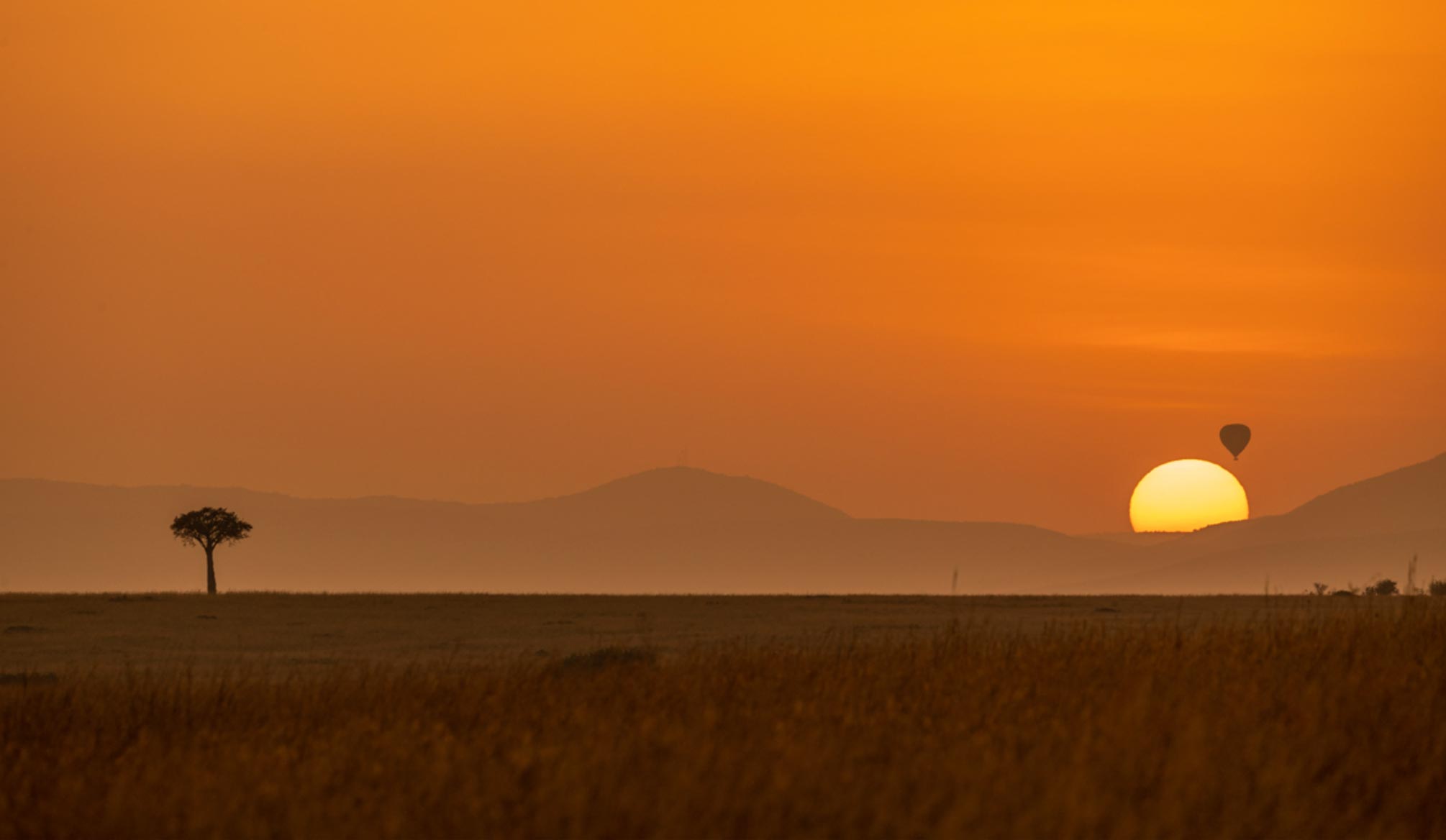
Hosted by Nick Kleer, crafted and curated by Safari Craftsmen
The journey began with a long arrival into Nairobi, late in the afternoon, followed by a warm meet and greet and a transfer to the Crowne Plaza Hotel for the night before the adventure began. My guests arrived later that evening, inbound from Canada. We shared a cold beer and talked excitedly about the trip ahead before heading to our rooms to rest before an early departure.
5:30 am, Crowne Plaza lobby. Silence and coffee, before an early flight from Wilson Airport bound for Sarara Camp in the northern reaches of Kenya. The plan: visit the Reteti Elephant Sanctuary and spend time with the Samburu, learning about the work being done to protect the wildlife of the area. We were hoping, too, for sightings of gerenuk (the "giraffe antelope"), lesser kudu, reticulated giraffe, tree hyrax and vulturine guinea fowl.
Every person we met offered warm hospitality — as did the wildlife. Elephants moved through camp from the moment we arrived until the moment we left, and there was rarely a quiet moment. We visited the singing wells, where the Samburu still draw water from hand-dug holes using knowledge passed down through generations, in what otherwise looks like an arid landscape. It's a camp and a region we all left with fond memories, and the community-run elephant orphanage — the first of its kind — was a privilege to see. We'll be back.
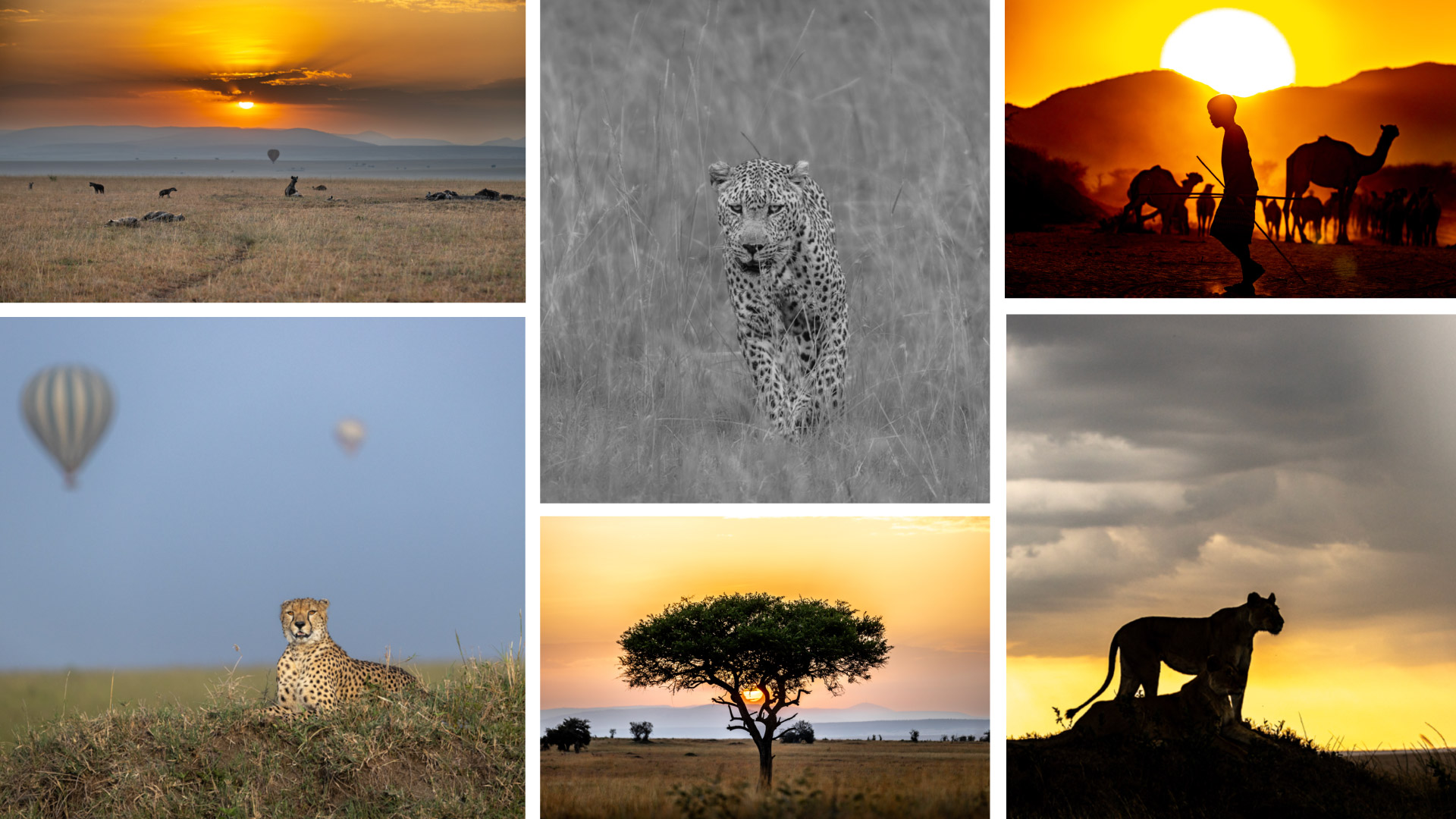
We arrived under cloudy skies to the open expanses of the Masai Mara, positioned on the border with the Serengeti along the banks of the Sand River at Salas Camp. A resident band of mongoose calls Salas home, and the camp itself sits beneath a canopy of trees shading the tents. Leopard passed through at night — we had only footprints and calls to go by, but they were there.
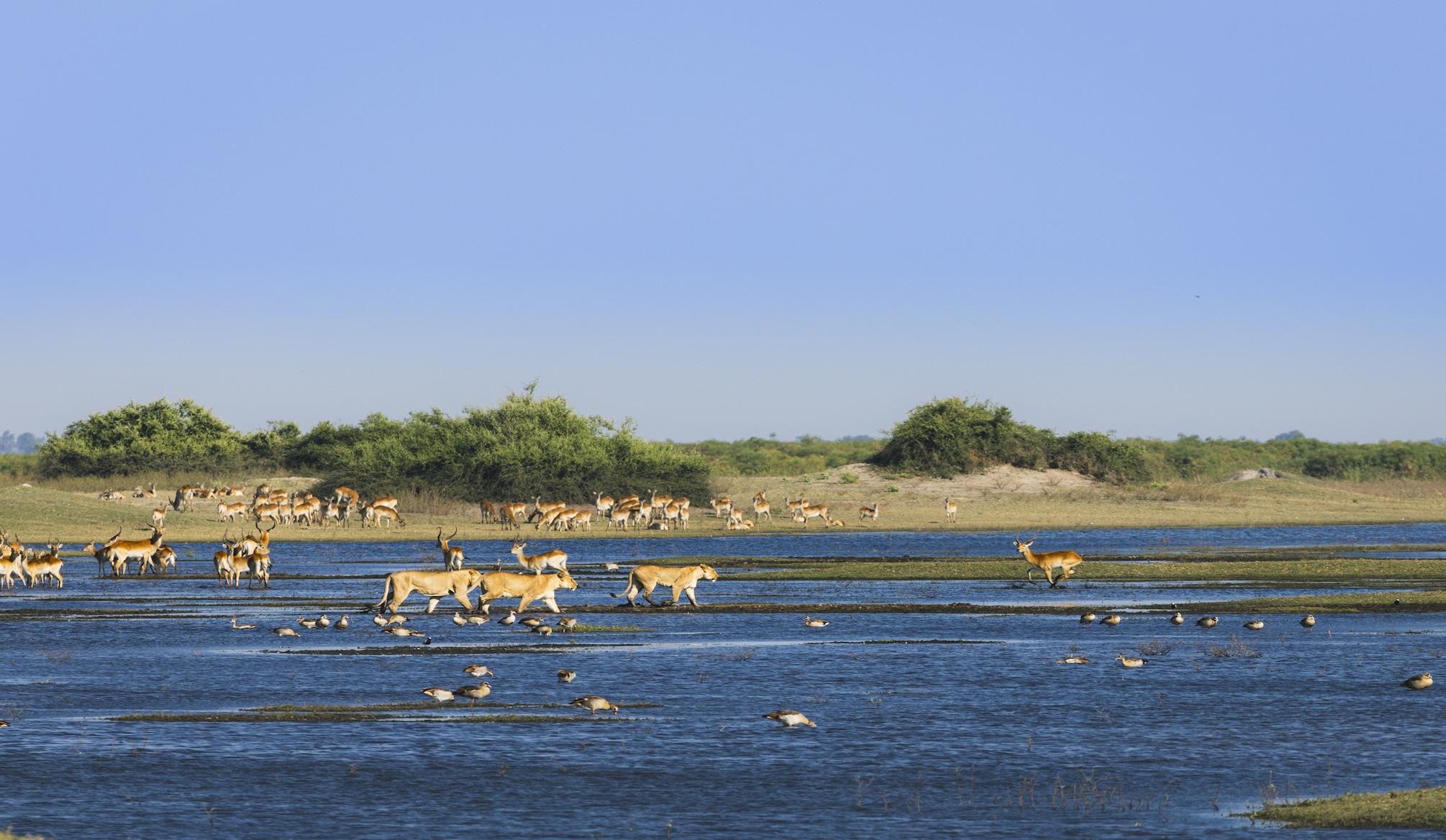
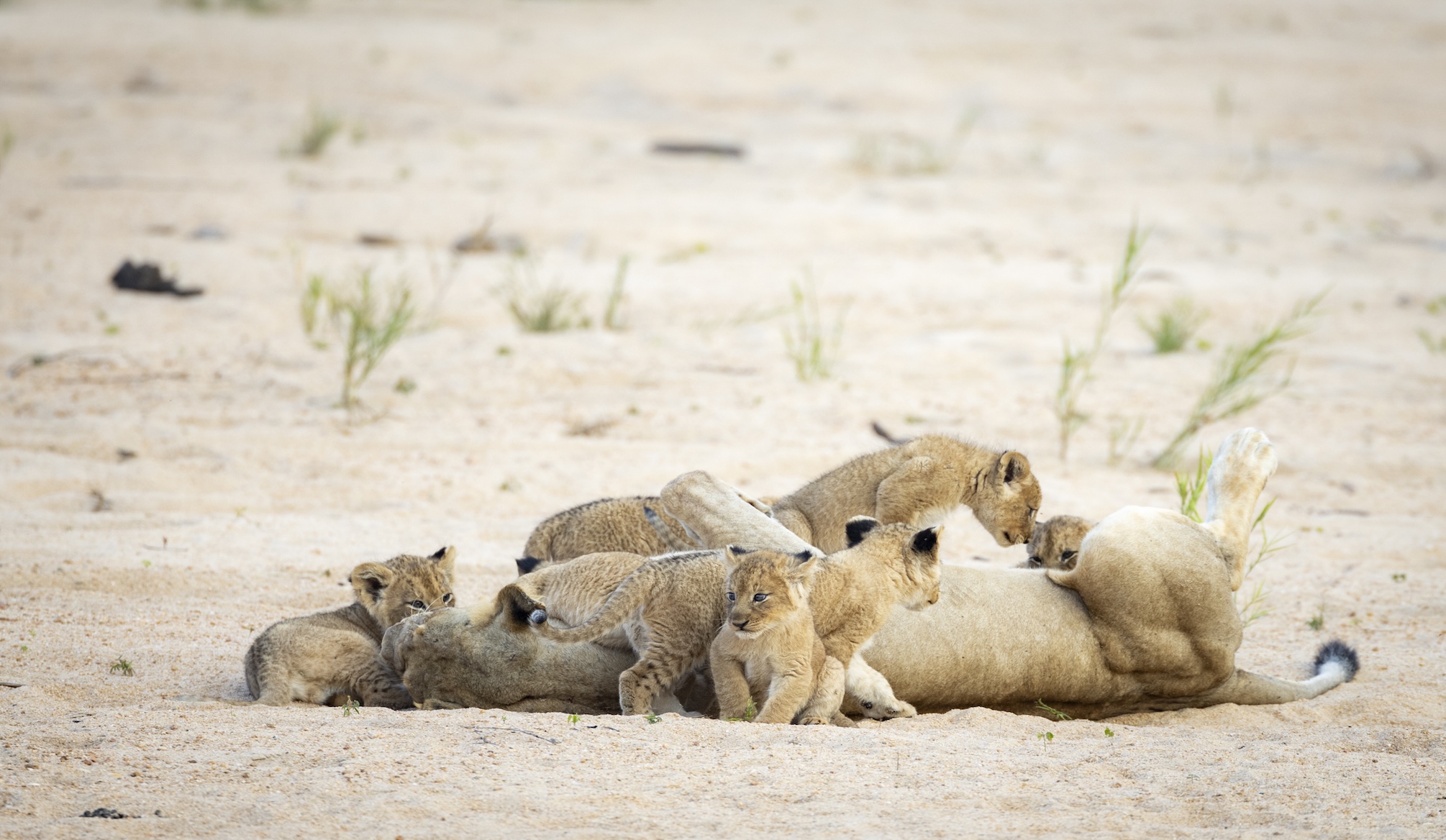
The game drives delivered one experience after another: a female cheetah on our first sunrise drive, followed by a large pride of lions, then breakfast cooked fresh by our guides under a shepherd's tree — served with a smile, fresh coffee, and thousands of animals moving around us. We spent time with elephants, more lions during a rain storm, hyenas at their den at sunrise, and a leopard marking his territory at sunset. Kenya came to a close quickly, and it was time to head toward the primates of Uganda.
Uganda is a fertile, generous land. The people we met were warm, and nobody we encountered was hungry — fruit, nuts, coffee and tea grew everywhere, around every home. Children looked happy and healthy on their morning walks to school. It's a different way of life to the one most of us know, and there's something to envy in it. It was a humbling few days, and a reminder of a kind of contentment not often felt while driving through communities elsewhere in Africa.
We arrived at Ndali Lodge after a beautiful drive from the airstrip, to a scene that felt lifted from a novel — positioned on the rim of an extinct volcano, overlooking a volcanic lake, with steep forested slopes and local farms scattered around the water. It's one of the most striking places I've seen, and a swim in the lake is highly recommended.
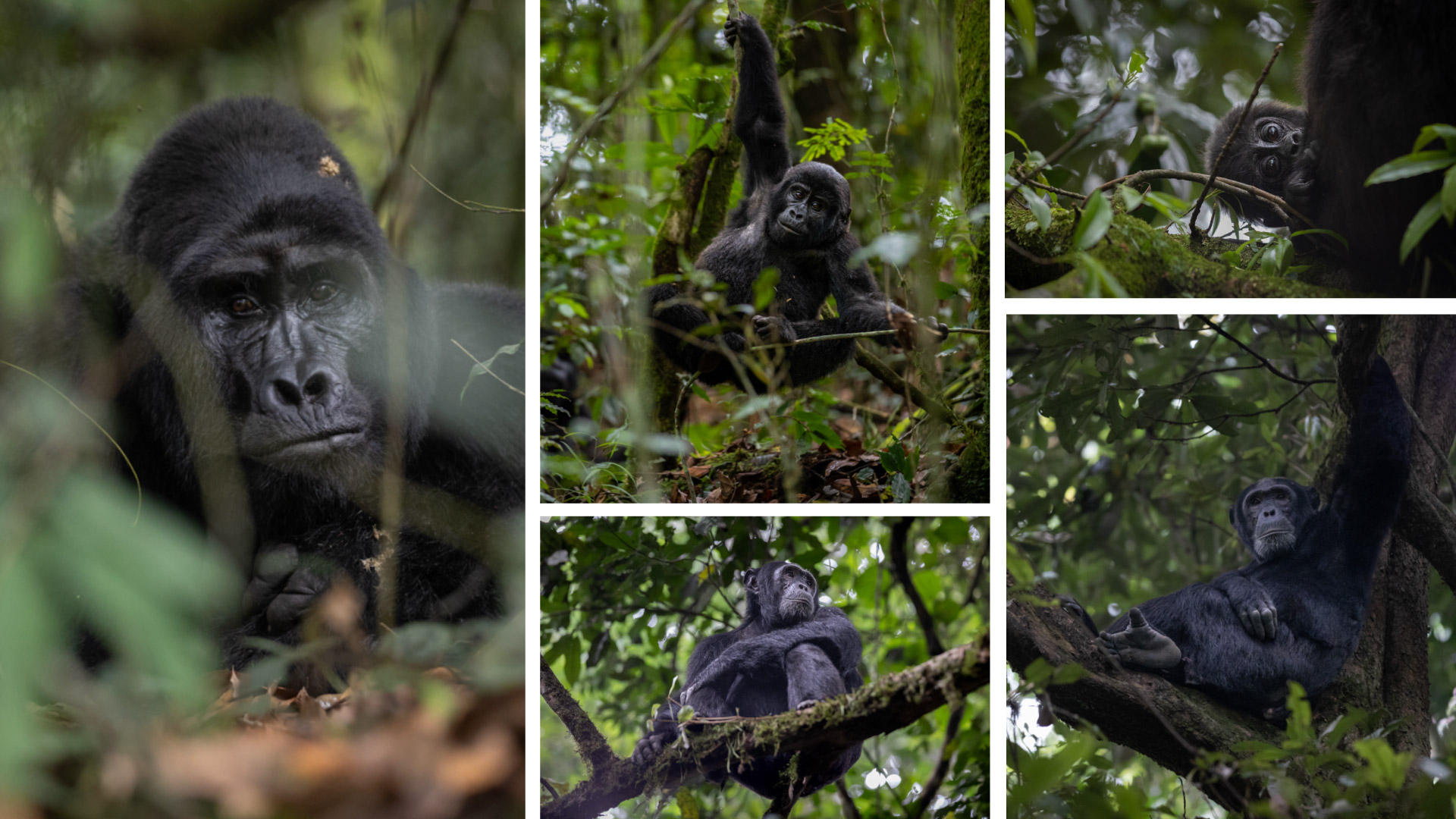
We spent two nights here, with a chimpanzee habituation permit for our day in the park. We left before sunrise after an early breakfast and coffee, and it didn't take long to locate the group we were tracking — they were contact-calling to each other through the forest. We spent an hour with one male perched just above head height, checking us out while chatting to his family, glimpsed only occasionally through the canopy. This group was semi-habituated, meaning our visit was helping them grow more accustomed to people; the group's leader, the one who faces any threat, was the most relaxed of all, sensing we posed none. Eventually we lost contact as they moved off to feed high in the treetops, but a second, fully habituated group had moved in closer, and we spent another hour watching them feed from the undergrowth. Meeting our primate cousins is difficult to put into words.
A short flight brought us to Bwindi for three days, and to the highlight of the trip: the mountain gorillas. This is the most striking forest I've encountered — birdsong from the moment you step in, the cleanest air imaginable, and the sense of having walked into a storybook.
After roughly 40 minutes of trekking, we could hear and smell the gorillas before we saw them. We found a family of two silverbacks, two black-backs (young males coming into their own), four females, and a seven-month-old infant. We watched displays, a close pass-by, and tender moments between mother and baby. The silverback came within feet of us, sizing us up before settling to observe — and be observed. Satisfied we posed no threat, he let his family relax around us, and the hour that followed passed faster than any I can remember.
The second day, with a different family, was more demanding but equally remarkable. Sitting among a family of mountain gorillas is not an experience that fades. It leaves you wanting to do more — to protect what's left of the natural world, and to hope for a future where our species and theirs can coexist with more kindness than we've shown so far.
This trip was crafted and curated by Safari Craftsmen, and hosted by Nick Kleer.
Special thanks to Melissa Mayhew, who reached out and planned this journey with us for her family.
Until next time.