EAST AFRICA

Kenya

The Maasai Mara, and the birthplace of the safari.
WHY GO THERE

Where Safari Began

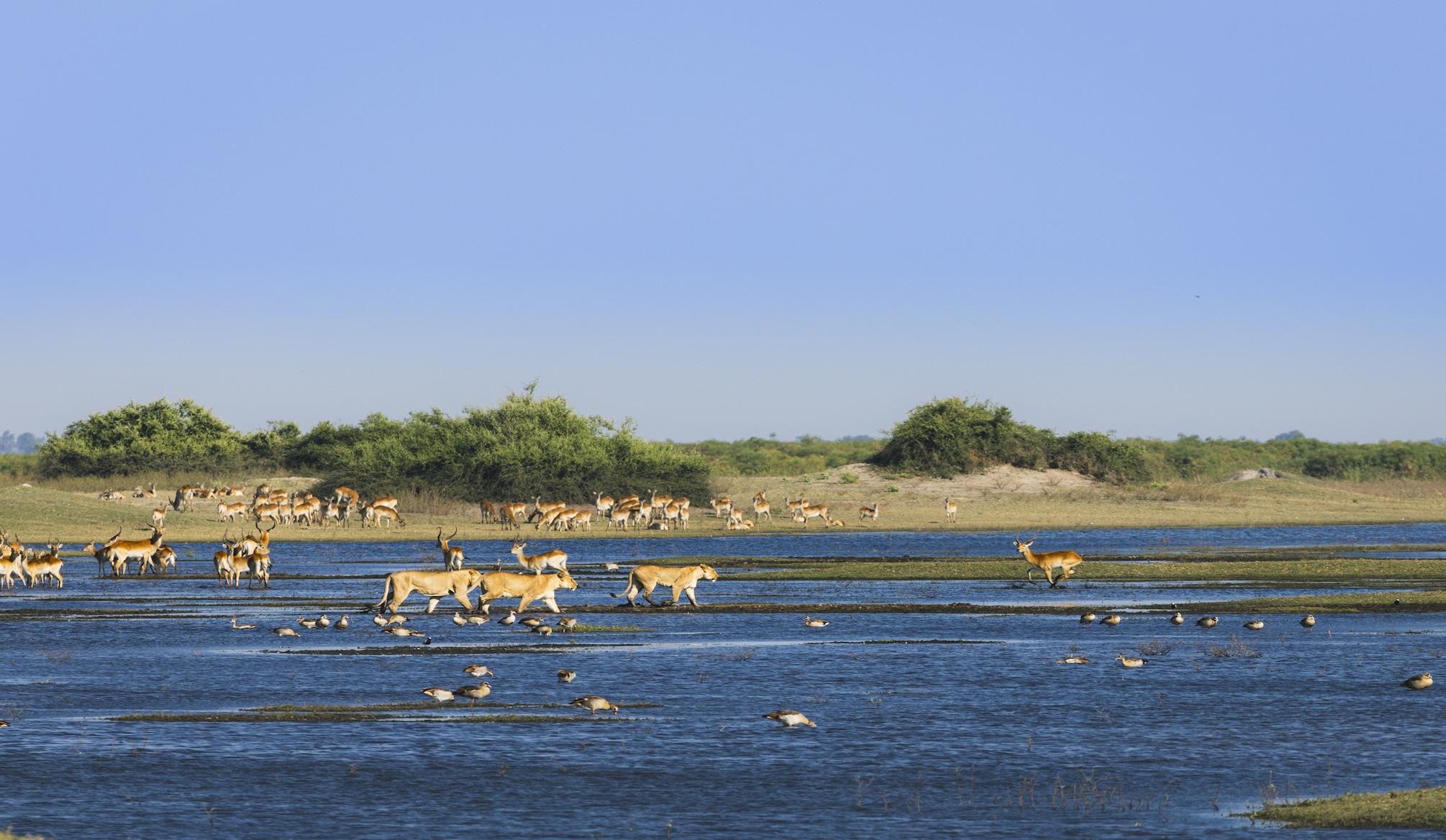
Kenya wrote the grammar of the modern safari, and the Maasai Mara remains its clearest expression: vast open plains, the Great Migration's river crossings, and a deep, working relationship between private conservancies and the Maasai communities who own the land. Samburu and Laikipia, further north, offer a quieter, less-travelled side of the country.

WHAT MAKES IT UNIQUE

Land, Migration and Community

Private Conservancies

Private conservancies bordering the Mara reserve, lower vehicle density.

The Great Migration

Front-row access to the plains during the Great Migration each year.

A Quieter Kenya

Samburu and Laikipia offer a wilder, less-visited side of Kenya.

BEST TIME TO VISIT

When to Go

JULY - OCTOBER

Migration Season

The Great Migration's dramatic river crossings across the Mara.

JANUARY - MARCH

Calving Season

Quieter, greener plains, and the start of new life on the Mara.
SIGNATURE EXPERIENCES

Moments Worth Slowing Down For

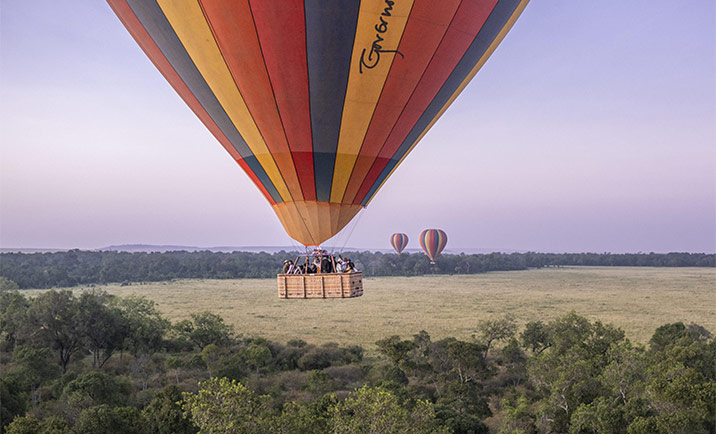
By Air

Hot air balloon flights drifting over the Mara plains at dawn.
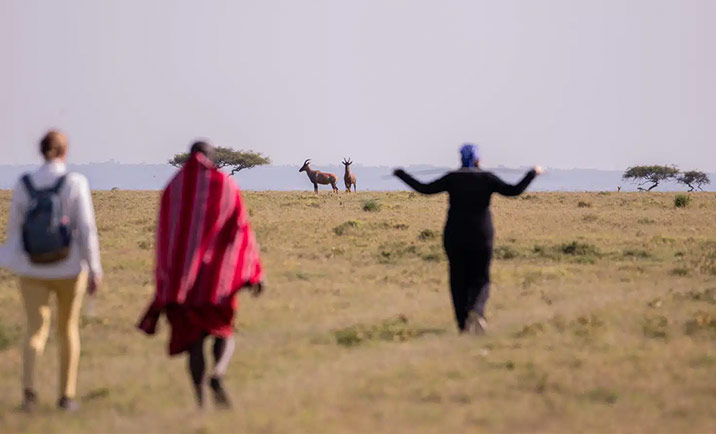
On Foot

Guided walks with Maasai trackers across private conservancy land.
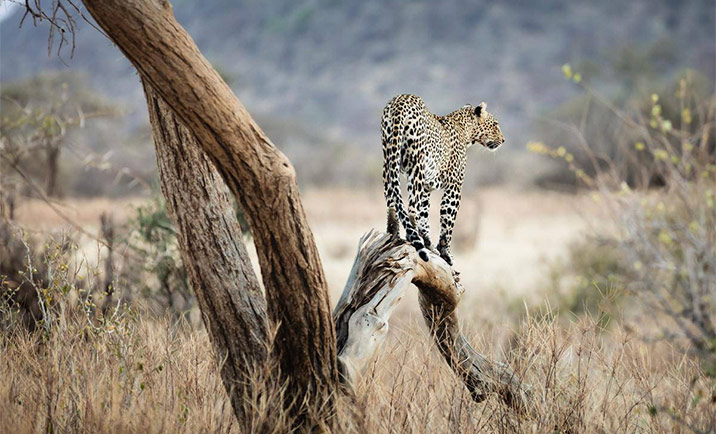
In the Conservancies

Wildlife tracking through Samburu and Laikipia's conservancies alone.
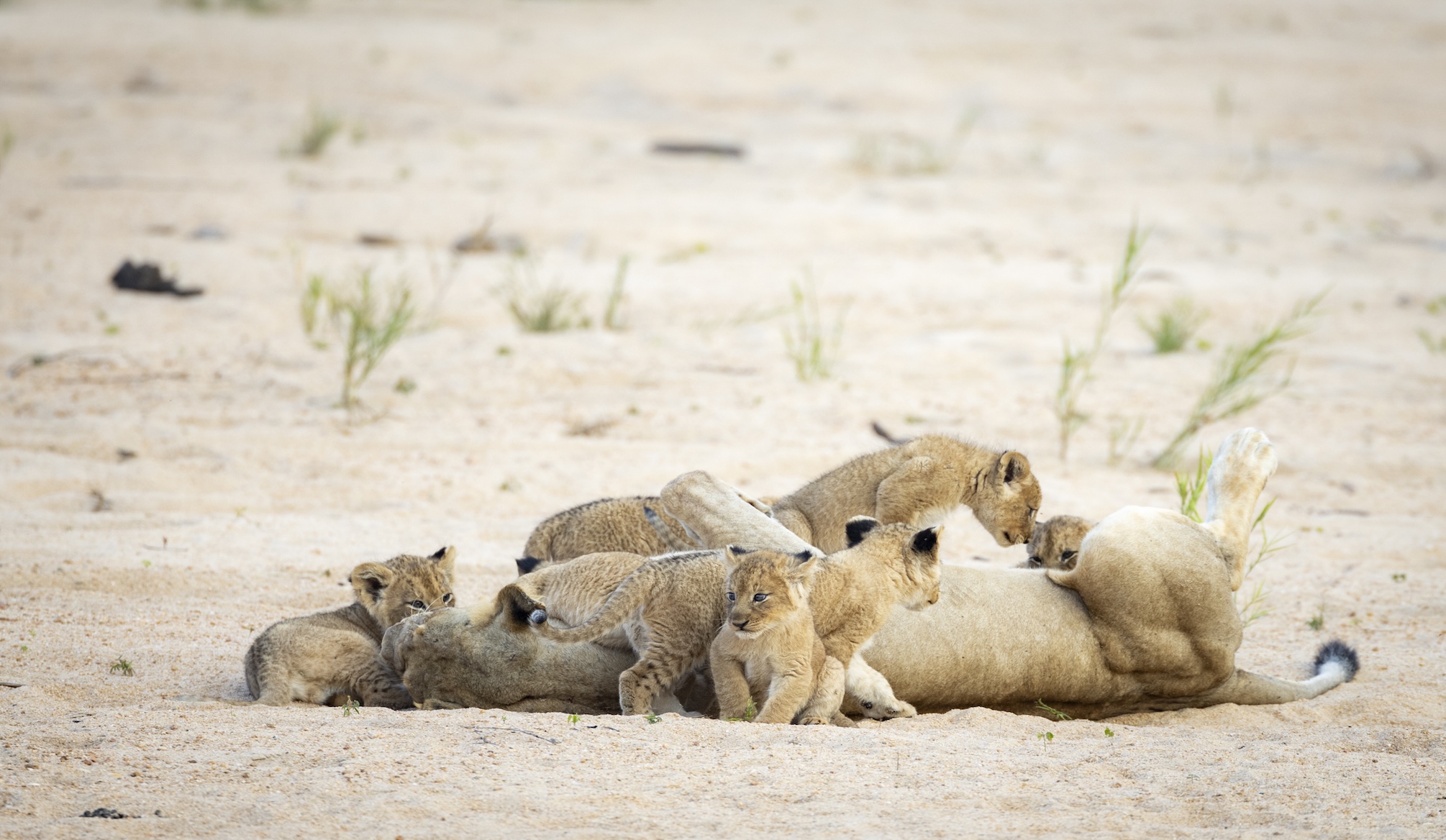
A LITTLE JOURNEY INSPIRATION

Explore the Possibilities

CLASSIC

Crafted Classic Safaris

EXPLORE THIS JOURNEY →
PURPOSE

Conservation & Purpose

EXPLORE THIS JOURNEY →
LEGACY

Multi-Generational Safaris

EXPLORE THIS JOURNEY →
KNOW BEFORE YOU GO

Frequently Asked Questions

Everything you need to know before you go. Can’t find the answers you’re looking for? Please chat to our team.
When is the best time to visit Kenya for a safari?
Kenya is rewarding year-round, but the right season depends on what you want to experience. July to October is best known for the Great Migration in the Maasai Mara, including the possibility of dramatic river crossings. January to March brings warmer weather, excellent predator sightings and fewer vehicles in many areas. The green seasons, particularly November and parts of April and May, offer vivid landscapes, strong birding and a quieter safari atmosphere. For a more private journey, consider combining the Mara with Laikipia or Samburu, where wildlife viewing remains excellent beyond the migration months.
Is Kenya or Tanzania better for a first safari?
Both are exceptional, but Kenya can be an easier introduction for travellers who want variety within a well-connected itinerary. The Maasai Mara delivers classic open-plains game viewing, while private conservancies allow walking, night drives and lower vehicle numbers. Northern Kenya adds very different scenery, community-owned conservancies and species not commonly seen farther south. Tanzania suits travellers drawn to the scale of the Serengeti and Ngorongoro Crater. The better choice comes down to season, pace and whether you prefer a focused journey or a longer circuit.
Can I see the Great Migration in Kenya?
Yes. The herds usually move into the Maasai Mara between roughly July and October, although the exact timing changes each year with rainfall and grazing conditions. River crossings are never guaranteed, and waiting at crowded crossing points is not the only way to experience the migration. Large herds, predator activity and the movement of wildlife across the plains can be equally compelling. Staying in a private conservancy near the reserve can add a quieter dimension, with access to the wider ecosystem as well as the main migration areas.
How many days do I need for a Kenya safari?
Seven to ten nights works well for most travellers. This allows time for two or three contrasting areas without turning the journey into a sequence of airport transfers. A first safari might combine the Maasai Mara with Laikipia or Samburu, while a longer itinerary could include the coast. Three nights in one area can feel brief once arrival and departure times are considered, so four nights per region often creates a more relaxed rhythm and gives changing weather and wildlife movement time to work in your favour.
Is Kenya a good safari destination for families?
Yes, especially when the itinerary is built around the ages and interests of the children. Kenya has family villas, private vehicles, flexible meal times and guides who are excellent at turning tracks, insects, birds and local stories into part of the adventure. Private conservancies are particularly useful because activities can be adapted more easily than in busier reserve settings. Families should also consider travel distances, malaria guidance, minimum ages for walking activities and the value of spending longer in fewer camps.
RELATED READS

Stories From the Bush

Top 10 Images From the Last Quarter

Explore Safari Craftsmen's top ten images from the final quarter of 2025, featuring crafted safari journeys, wildlife, and rare moments across Africa.

Selati Field Camp with Our Craftsmen

Big game tracking, mobile camps and Drakensberg views - a walking safari through Selati Game Reserve with Safari Craftsmen's expert trails guides.

East Africa Dreaming: Kenya and Tanzania

Giraffe Manor, the Masai Mara, Laikipia and Lake Manyara - Chris Renshaw's Kenya and Tanzania safari, crafted and curated by Safari Craftsmen.

Every Journey Begins with a Conversation

Tell us what you’re dreaming of. We’ll take care of the rest.