Wondering when to go on safari in Africa? We share what each season brings, helping you find the right time for places and wildlife you would love to see.
← BACK TO JOURNAL ENTRIES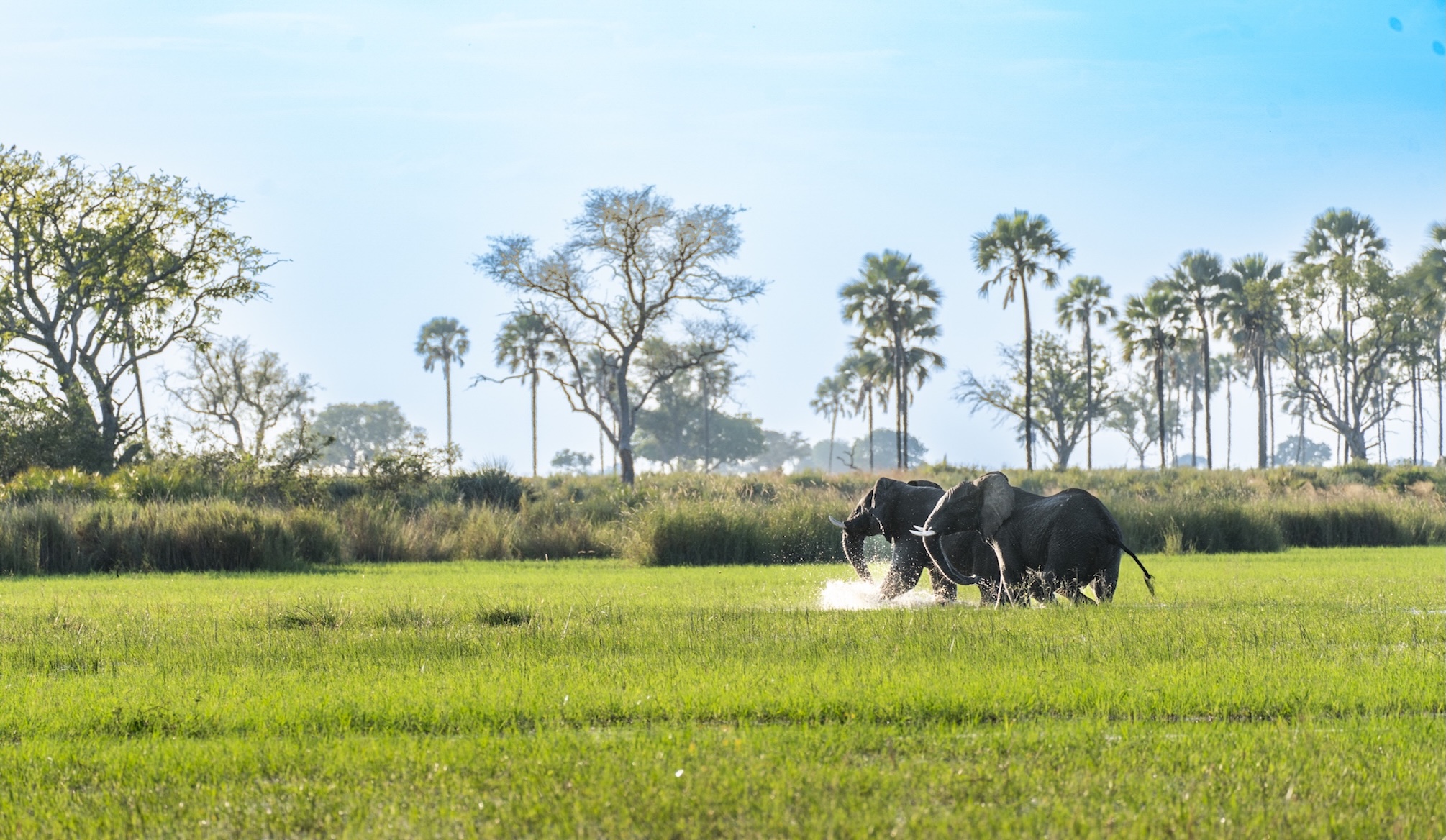
The thought of an African safari often begins with something you would love to see. Elephants coming down to drink, a leopard resting in a tree, or mountain gorillas feeding quietly in the forest. Then you start imagining yourself there, who you would share it with, and when you could go.
Choosing the right time is part of bringing that journey to life. You may have complete freedom with your dates, or a few precious weeks when everyone can travel together. Wherever you are starting, we would love to help you find the places and experiences that suit your season. Here is our guide to when to go on safari in Africa, and what you can look forward to throughout the year.
If you are still deciding where to begin, our guide to planning your first African safari brings together a few helpful starting points.
Each season brings something different to a safari, from the scenery around you to the wildlife you might see. Below, we explain the dry and green seasons and what each could mean for your journey.
“When guests ask me when to visit Africa, I love hearing what they’ve been dreaming of seeing and who they’re bringing along. Once I know a little about them, we can start finding the right places and time to go.”- Chris Renshaw, private guide and director, Safari Craftsmen
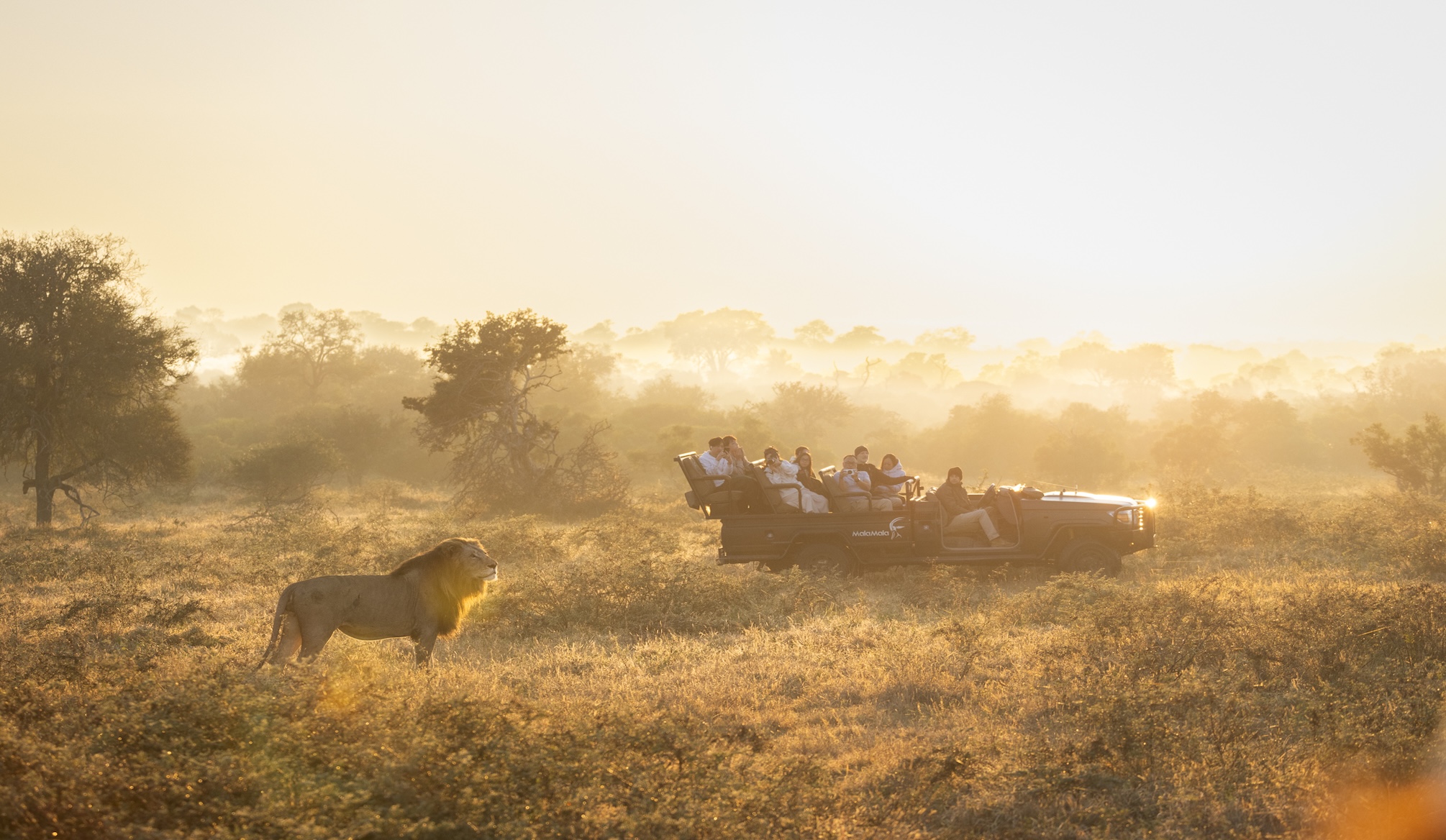
Across much of Southern Africa’s safari country, these are the drier months. Vegetation gradually thins, and wildlife gathers around remaining water, making for rewarding game drives. Winter mornings call for a warm jacket, while September and October bring hotter days. In Kenya and northern Tanzania, the longer dry season generally begins in June and runs through October.
The summer rains bring fresh grass, returning migrant birds and young animals to many Southern African reserves. It can be a lovely time for photography and quieter stays, with favourable seasonal rates at some camps. Wildlife may be more spread out, and some remote properties close, so choosing the right place matters.
East Africa follows a different pattern, with longer rains usually falling from March to May and shorter rains around November and December. January and February can be particularly rewarding in the southern Serengeti during calving season. Cape Town also enjoys its warmer, generally drier summer then, making it a lovely addition to a South African safari.
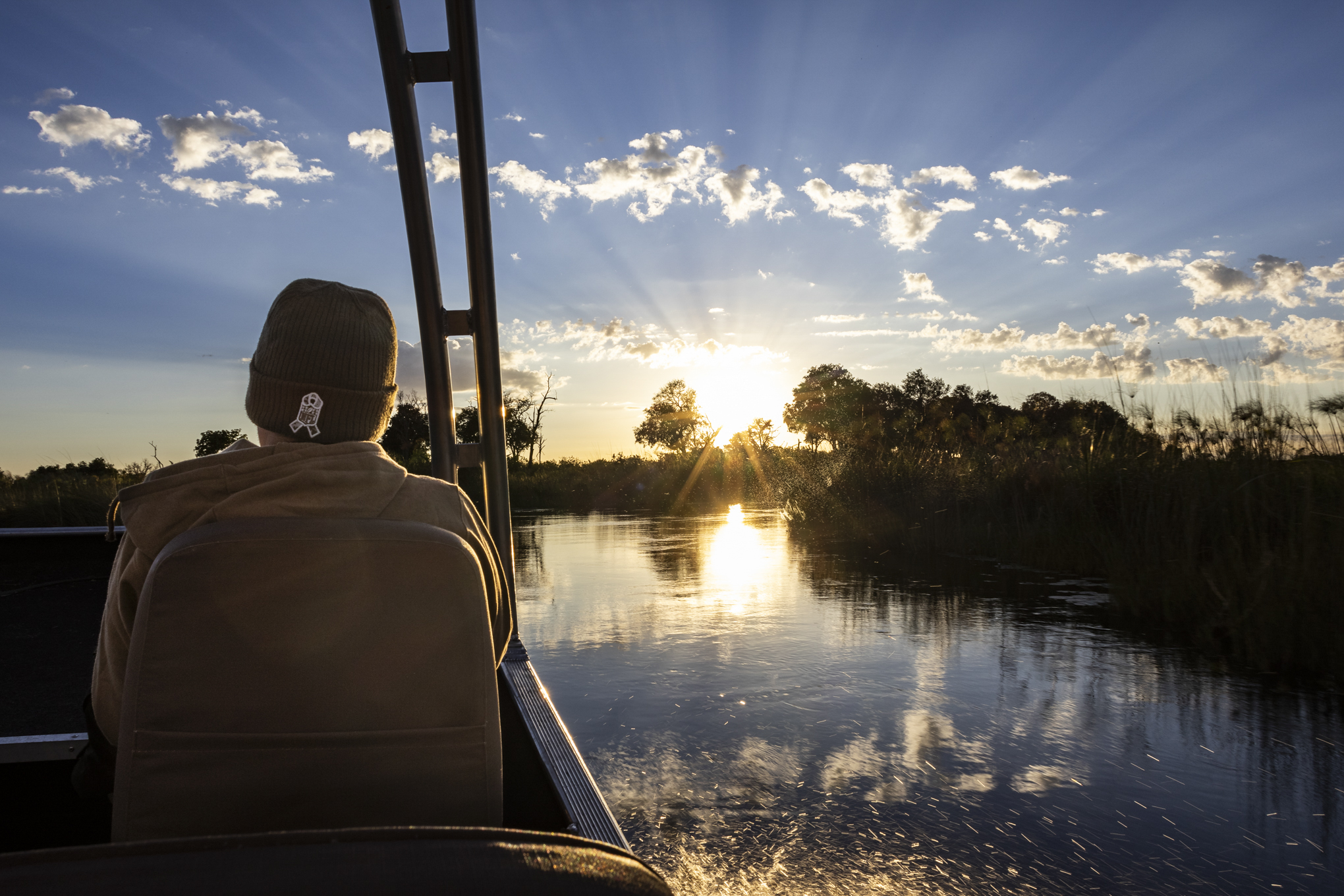
You may already know when you can travel, or you may be choosing your dates around something you have always wanted to see. These seasonal highlights offer a starting point.
Rainfall and wildlife movements vary each year, so we refine the details around the places you would like to visit and the experiences that matter most to you.
In South Africa, summer brings warm days in Cape Town, time along the coast and lunches in the Winelands. Pair it with Greater Kruger for green scenery, birdlife and young animals, allowing for heat and afternoon thunderstorms. Botswana also offers rewarding summer birding and fresh landscapes, particularly for guests who enjoy photography. Festive dates are worth planning ahead for.
In Tanzania, January and February draw attention to the southern Serengeti’s calving grounds, where young wildebeest keep close to their mothers and predators follow the herds. Kenya is also worth considering for resident wildlife, with fewer vehicles in many areas than during the migration peak. Give yourself several days to settle in and enjoy what each morning brings.
In South Africa, Greater Kruger can still be green after summer, with rewarding birdlife and gradually easing temperatures. Botswana becomes cooler towards April, often retaining fresh scenery as the rains subside. This can be a lovely period for guests who enjoy photography and a quieter stay, although Easter and school holidays may bring increased demand.
In Kenya and Tanzania, the longer rains increasingly shape travel, particularly during April. Some camps close, while others remain open for guests comfortable with wetter conditions and flexible outings. There can be fewer visitors, and the landscapes are beautifully green. We would pay close attention to camp locations and access when planning your stay.
South Africa and Botswana become generally drier, with cooler mornings and improving visibility as vegetation thins. Namibia is appealing for journeys combining desert scenery with wildlife. In Zambia, many seasonal walking camps open by June, offering the chance to explore on foot in cooler morning temperatures. Pack a warm layer for those early starts.
May can still be wet in Kenya and Tanzania, with conditions generally becoming drier during June. In the Serengeti, migrating herds typically move through central and western areas as they travel north. June can offer fresh scenery and rewarding game viewing before the busiest weeks in some areas. If the migration is your main interest, choosing a well-positioned camp is especially important.
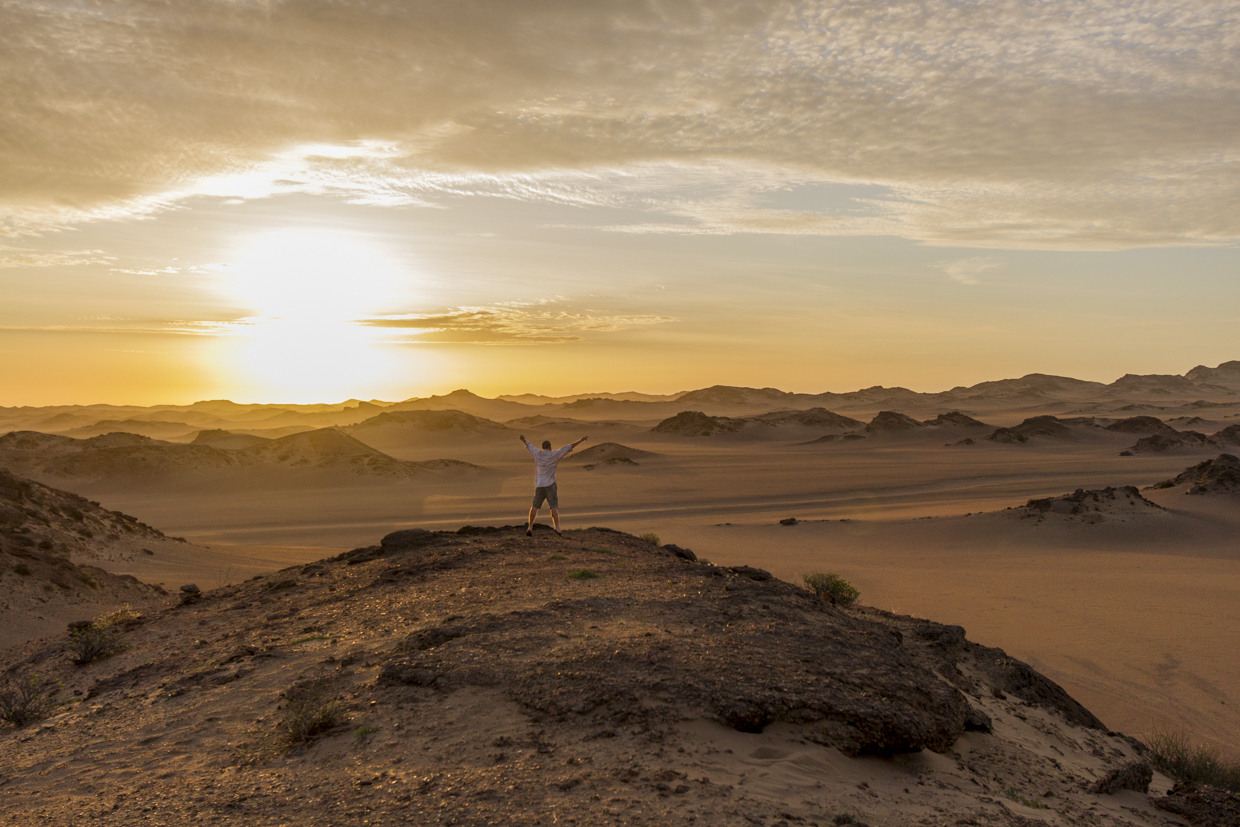
In Botswana, seasonal floodwater can open up beautiful opportunities to explore the Okavango Delta by mokoro or boat, depending on the camp and water levels. South Africa, Zambia and Zimbabwe also offer rewarding dry-season safaris. Expect cold early starts in some areas and strong demand for popular camps, particularly during school holidays.
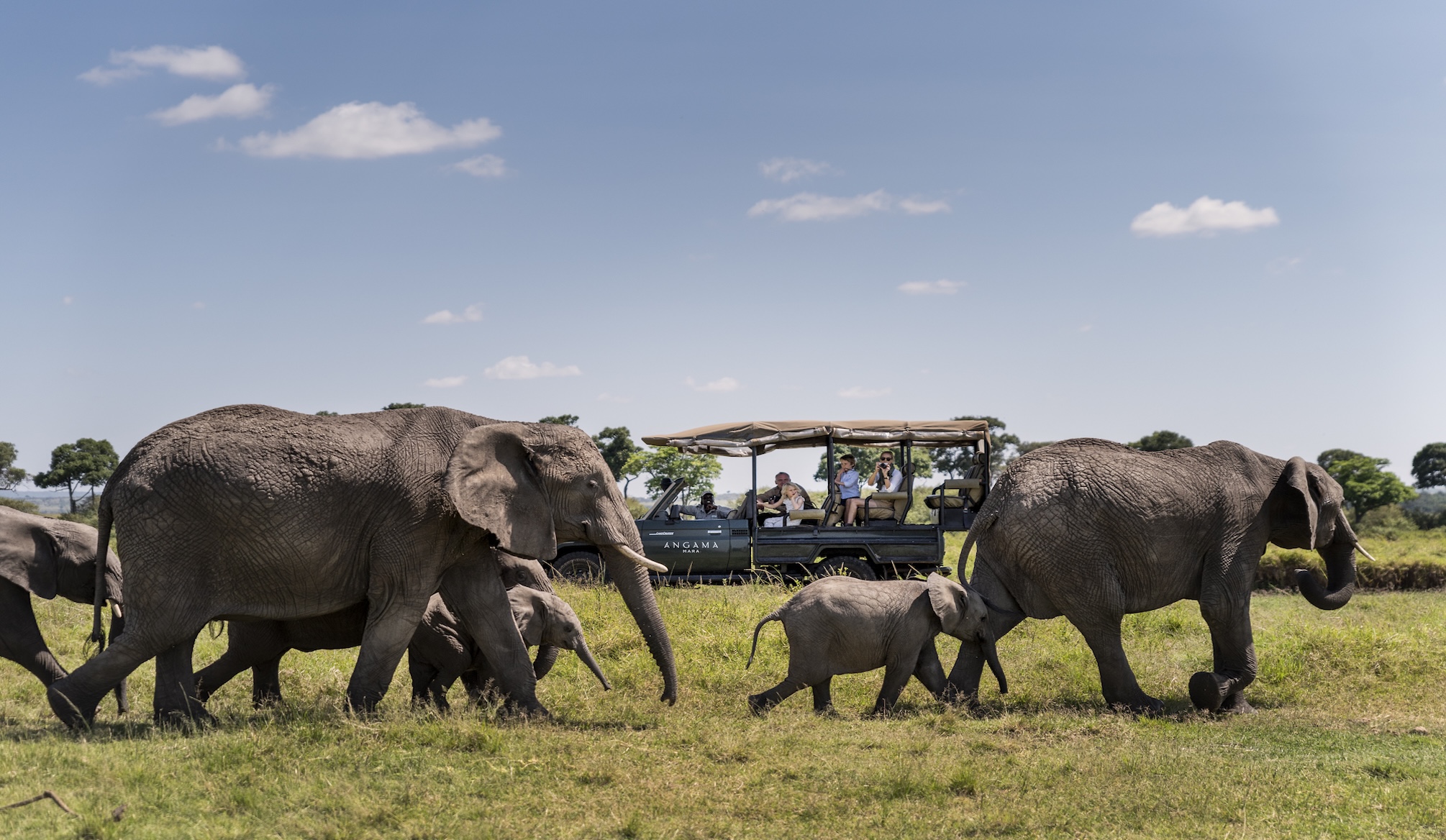
The northern Serengeti in Tanzania and the Maasai Mara in Kenya draw travellers hoping to spend time with the migrating herds and possibly witness river crossings. Rwanda and Uganda offer generally drier gorilla-trekking conditions, although forest rain remains possible. These are sought-after experiences, so we would plan ahead for camps and permits. River crossings are never guaranteed.
In Botswana, Zambia and Zimbabwe, wildlife increasingly relies on remaining rivers and waterholes as the dry season progresses. It is a rewarding time to linger at a sighting and watch the comings and goings around the water. Temperatures climb, especially in October, so early outings and time in the shade between drives help make the days more comfortable.
Migration viewing can remain rewarding in Kenya and Tanzania, with the herds’ locations determined by rainfall and grazing. We would choose your camp around likely movements while leaving time for the resident wildlife too. Popular migration areas may still be busy, and showers can become more likely as October progresses towards the shorter rainy season.
In South Africa and Botswana, the first summer rains can bring fresh growth, returning migrant birds and young antelope in some areas. November can shift between hot, dry days and cooling showers, making it an interesting month for photography. Some camps offer quieter stays, while remote seasonal properties may close as access changes. We would take these details into account when planning your route.
The shorter rains refresh parts of Kenya and Tanzania, bringing greener scenery and often fewer visitors. In the Serengeti, migrating herds generally move south in search of fresh grazing. Some seasonal camps close or relocate, so choosing where to stay matters. If you enjoy photography and are comfortable with a little flexibility, November can be a lovely time to consider.
Have a place in mind? Explore our destinations and discover where your safari could take you.

If a particular place has caught your attention, here is a quick reference to help you narrow down the dates.

These are broad planning windows. The specific reserve, camp, and experiences you choose will help us refine the timing.
The best time for your safari also depends on what you enjoy. Perhaps you love green scenery and don't mind a little rain, or you picture cool mornings watching wildlife around the water. For your family, it may simply be the few weeks when everyone can get away together.
We would love to hear what matters to you.
Chris and our team bring their guiding experience to these conversations, helping you choose where to stay and giving you time to enjoy each place. If your dates are flexible, we can explore a few possibilities. If they are already set, we will start there.
For a little inspiration, read Chris’s reflections on a privately guided family safari across Southern Africa. From Cape Town to Botswana, Victoria Falls and Sabi Sand, he shares the wildlife encounters and everyday moments that made travelling with this family so special.
“We can curate any experience. All we need is your story, what drives you, and what will truly deliver. From there, we go to work.”- Chris Renshaw, private guide and director, Safari Craftsmen
Whether you have a journey in mind or are just beginning to dream about Africa, we would love to hear from you.
Tell us who is coming with you, when you might like to travel, and what you have always wanted to see. Chris and our team would love to hear your ideas, share a few of our own, and get to know what would make this journey special for you. Let’s start with a conversation.